- 0
- 0
- 0
- 0
- 0
- 0
- 0
 为进一步提升《Prestress Technology》的办刊水平和学术影响力,更好地服务我国科技创新与学术传播事业,本刊自2026年8月起对出版单位及刊号作如下变更:
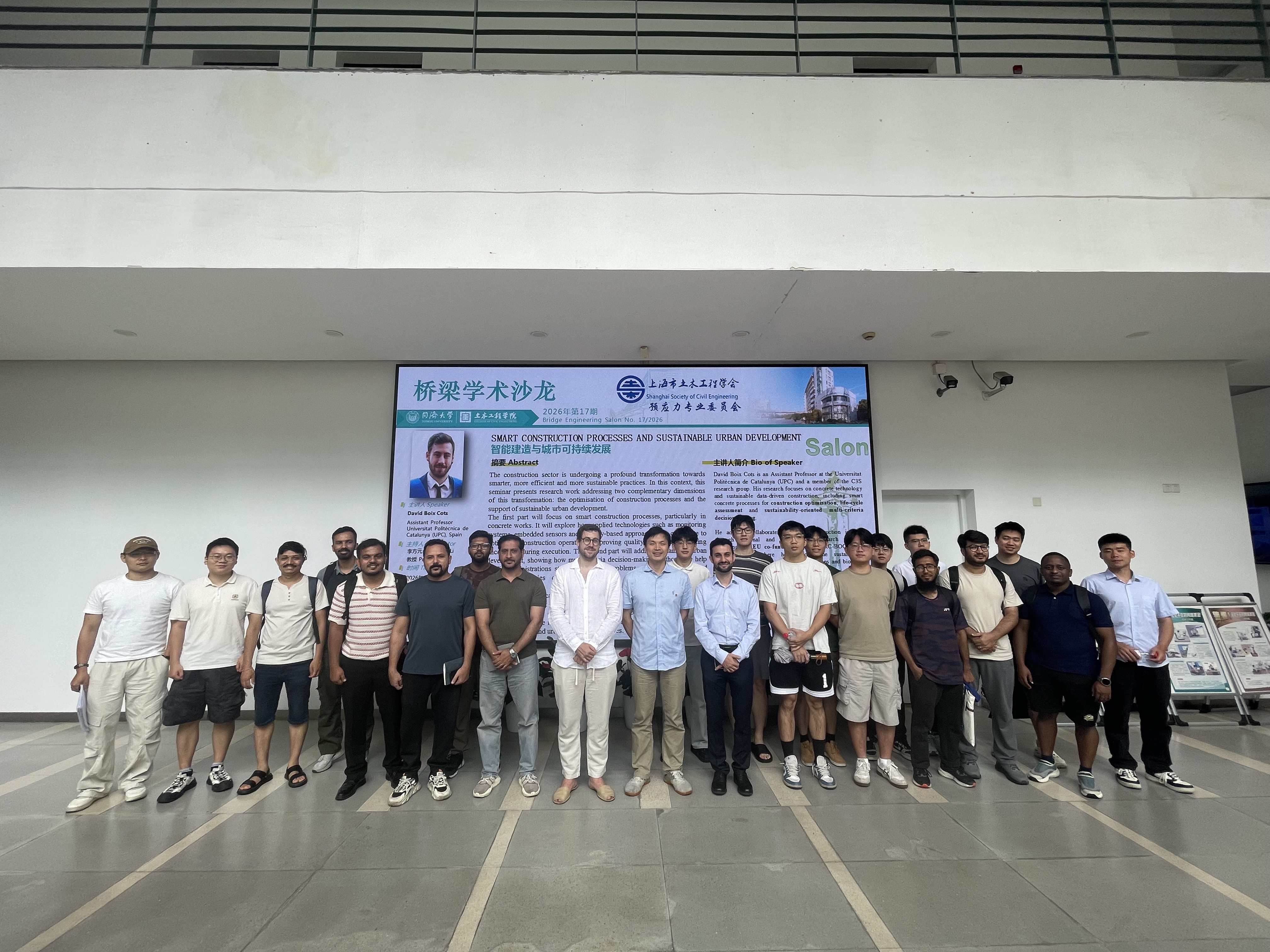 2026年7月6日上午,同济大学土木工程学院桥梁工程系成功举办了“桥梁学术沙龙”。本次活动由同济大学土木工程学院桥梁工程系主办,《Prestress Technology》编辑部和上海市土木工程学会预应力专委会提供支持。沙龙特邀期刊两位青年编委——来自西班牙加泰罗尼亚理工大学(UPC)的David Boix Cots助理教授与Seyedmilad Komarizadehasl副教授,分别就“智能建造与城市可持续发展”及“面向桥梁与城市监测的MT-InSAR自动化处理”作学术报告。报告环节由同济大学土木工程学院桥梁工程系李方元教授(《Prestress Technology》执行主编)与夏烨副教授(《Prestress Technology》青年编委)先后主持,现场汇聚了30余名国内外研究生及青年学者,互动积极,学术氛围浓厚。
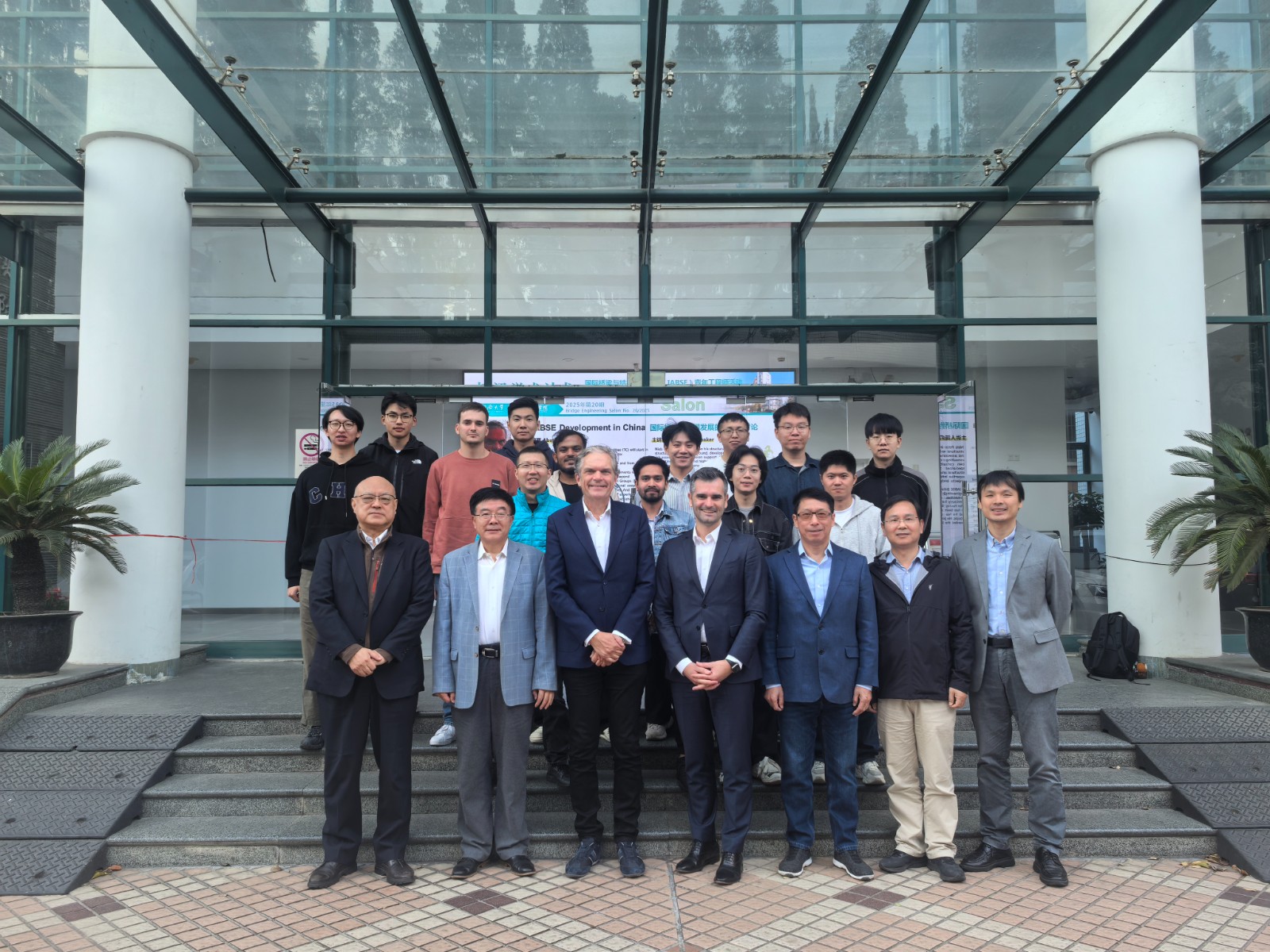 国际桥协技术委员会(IABSE TC)主席Niels Peter Hoj 先生于2025年10月22日来访同济,并进行期刊交流。
 2025年9月6日,“第六届桥梁工程科技发展与创新同济论坛暨首届预应力技术发展与创新论坛”在同济大学逸夫楼报告厅成功召开,并同步开通线上会议。
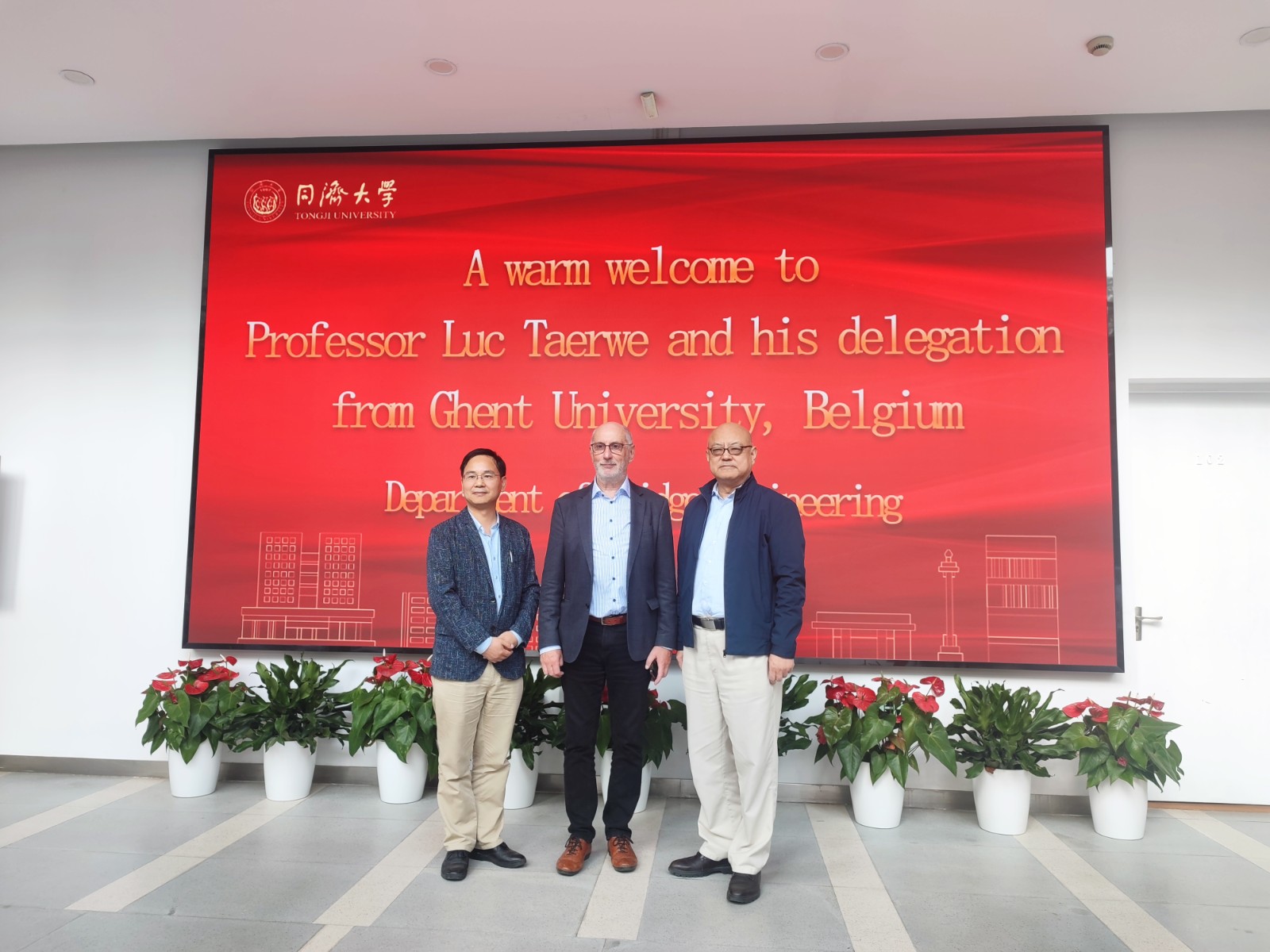 2024年11月13日,经《Prestress Technology》主编会议决定,新增Luc Taerwe教授担任本刊的共同主编(Co-Editor-in-Chief),为期刊的国际化发展注入新的力量。此前,Luc Taerwe教授担任本刊编委。
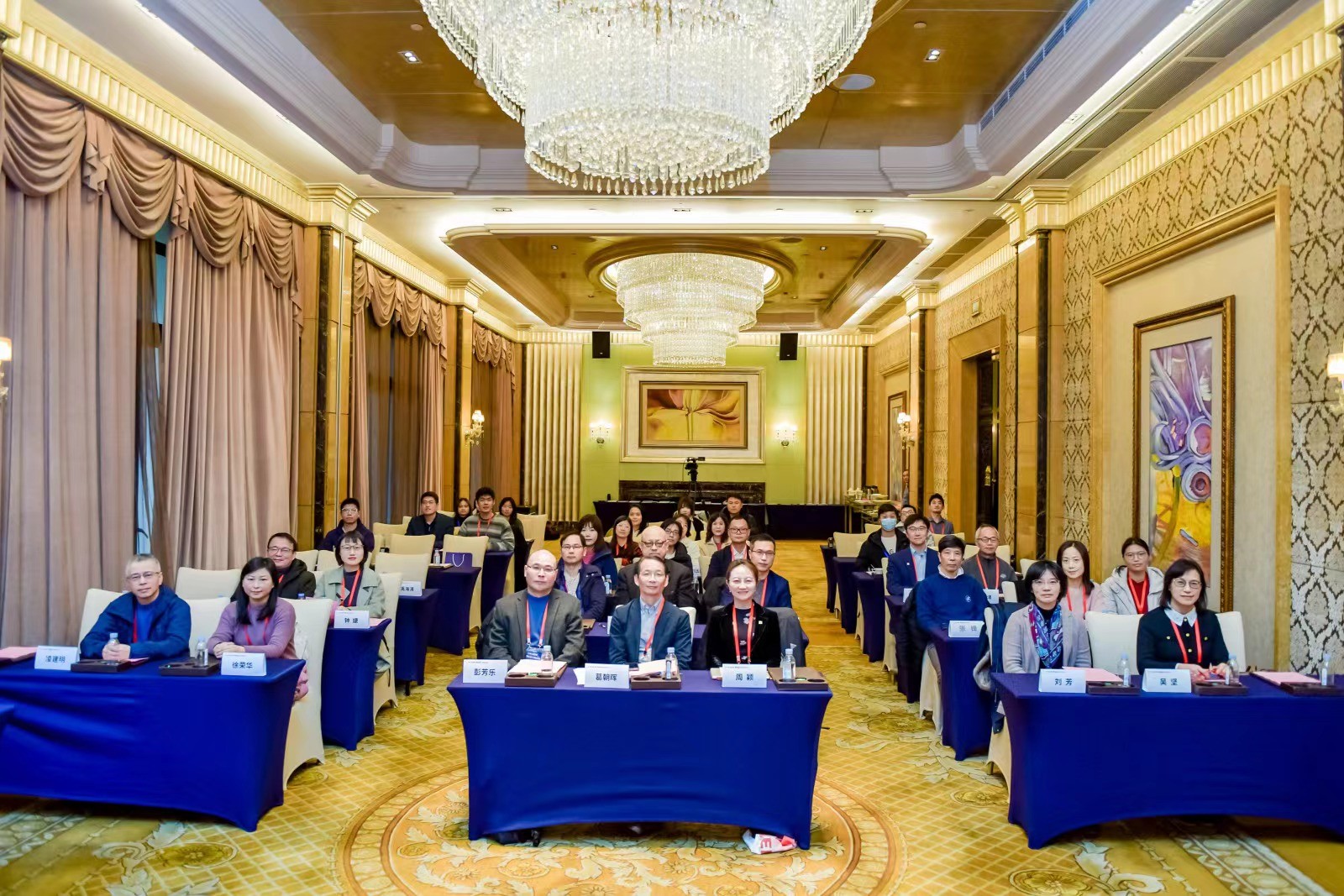 2023年12月16日,同济大学土木工程学院期刊中心举办的盛大年会及“期刊与学科同频高质量发展”专题沙龙,在浦东星河湾酒店圆满落幕。
- Current Issue |
- Online First |
- Special Articles |
- Discussion Corner |
- Archive
-
Anton Syrkov, Oleg Utenkov, Nikolai Kozak, Mingming Song, Oleg Zorochkin
2026,4(03):1-20 ,DOI: 10.59238/j.pt.20260818001
Abstract:Cable-stayed bridges have become a major component of the Russian highway network over the past 25 years, and many of these structures are now approaching the stage at which long-term operational risks become critical. Experience from inspections, repairs, and monitoring has shown that cable systems are among the most vulnerable bridge components, particularly because corrosion- and fatigue-related defects may develop in zones that are only partially accessible to conventional inspection methods. This paper systematizes the Russian experience of operating highway cable-stayed bridges and presents a preventive, risk-based framework for cable-system operation that was used in the development of GOST R 59629—2021. This study is based on the analysis of 189 national and international regulatory and technical documents, the classification of cable systems relevant to Russian practice, and the structuring of operational measures across the design, construction, and service stages of the bridge life cycle. The proposed framework includes risk analysis at the design stage, formation of threshold and reference databases, integration of structural health monitoring, and condition-based planning of scheduled and unscheduled inspections and maintenance. The results support a transition from passive defect-response practice to preventive operations aimed at the early detection of pre-critical states and timely risk mitigation. However, major technical limitations remain, especially the incomplete non-destructive testing coverage of anchorage and transition zones, which constrains the reliability of condition assessment and should be treated as a priority area for further development.
-
2026,4(03):21-32 ,DOI: 10.59238/j.pt.20260422001
Abstract:Based on an expressway project in Shanghai, the structural behavior, construction procedure, and engineering applicability of a novel longitudinally split precast segmental cap beam were investigated. The proposed cap beam is divided longitudinally into two precast segments for lifting and erection. After erection, the segments are connected by a cast-in-place wet joint placed on a specially designed bottom formwork, while the cap beam is connected to the columns through grouted sleeve connections. For the two-column portal-frame cap beam commonly used in urban viaducts, two tendon-layout schemes were developed. In Scheme 1, all the prestressing tendons are arranged within the precast segments; the wet joint is 500 mm wide, and the single-lift weight is 143 t. In Scheme 2, some of the prestressing tendons are arranged within the wet joint; the joint width is 700 mm, and the single-lift weight is 126 t, approximately 12% lower than that of Scheme 1. The results show that the wet-joint width is strongly coupled with the single-lift weight, available construction space, and tendon arrangement and is therefore a key parameter governing the applicability of the system. Compared with the conventional transversely segmented precast cap beam, the proposed longitudinally split scheme increases tendon consumption by approximately 20% and requires more cast-in-place work but reduces the single-lift weight by approximately 30% and eliminates temporary support and traffic diversion, minimizing disruption to under-bridge traffic. The proposed system therefore demonstrates good engineering applicability and provides technical support for the prefabricated and rapid construction of urban viaducts.
-
Caoping Liu, Fuchen Yu, Shaobo Han, Minghai Ding, Hao Zhang, Baixian Fu, Yuxiao Wang
2026,4(03):33-50 ,DOI: 10.59238/j.pt.20260525001
Abstract:To address the uncertainty of structural states during construction and the scarcity of field monitoring data, which make it difficult to fully characterize structural pose and force conditions, we developed a state identification method based on limited monitoring information. For the reference state, the key control parameters governing the equilibrium of the initial configuration were identified. For the construction process states, pose-correction parameters and key state parameters were jointly identified from a small number of observations. State identification was implemented by integrating finite element analysis with a global–local optimization strategy. The vertical rotation construction of the main arch of an overpass bridge was investigated as an engineering case. The results show that the method can accurately recover the prescribed cable force configuration in the pre-construction reference state and stably identify spatial pose changes and cable force redistribution at several discrete construction states. The error indices remained generally small, and the results at the constraint points agreed well with those at the validation points. The proposed method provides an effective technical approach for state assessment, geometric control, and parameter updating during the construction of complex bridges.
-
Minjie Gu, Xiaoluan Liu, Qingqiao Wang
2026,4(03):51-61 ,DOI: 10.59238/j.pt.20260529001
Abstract:A computer-controlled synchronous lifting scheme is often adopted for the integral lifting construction of large-scale structures. In this study, a four-lifting-point mechanical model was constructed which revealed the coupling relationship between the load and displacement of lifting points. It was further clarified that the relative stiffness of lifting points is the core factor affecting the asynchrony effect. Calculations for displacement asynchrony and load asynchrony conditions revealed that when the relative stiffness of lifting points is large, a control strategy primarily based on load synchronization is preferred; in contrast, when the relative stiffness is small, a control strategy primarily based on displacement synchronization is preferred. Furthermore, for lifting structures with complex conditions, a dual-objective control must be adopted to ensure lifting safety. The research results can provide a theoretical basis and technical reference for synchronous control and safe integral lifting construction of large-scale structures.
-
Hailiang Liao, Chao Wang, Wenqiang Tu
2026,4(03):62-73 ,DOI: 10.59238/j.pt.20260605001
Abstract:The main bridge of the Xinjiang Bridge is a corrugated steel web continuous rigid frame bridge with a span arrangement of 90 m + 165 m + 90 m. The connection area between Segment No. 0 and the V-shaped pier features a complex structure and prominent local mechanical issues. The main pier of the bridge adopts a rigid skeleton concrete structure, and approximately 2 m at both the top and bottom of the V-legs are equipped with UHPC reinforcement layers. To analyze the structural load transfer path of the pier-beam joint zone and prevent concrete cracking, a composite finite element model considering the influence of stress concentration was established based on Saint-Venant's principle. The V-shaped pier, pile cap and pile foundation, as well as Segments No. 0 to No. 6 of the main beam, were selected as the analysis scope. The concrete main structure, corrugated steel web, and prestressing tendons were simulated using solid elements, shell elements, and truss elements, respectively. The results indicate that the compressive stress near the web of Segment No. 0 is relatively high, exhibiting a significant spatial effect. As the thickness of the bottom slab increases from 60 cm to 90 cm, the normal compressive stress at the midspan of Segment No. 0 gradually decreases. When the bottom slab thickness is set to 90 cm, the maximum compressive stress is 18.8 MPa, satisfying the code requirements. Except for local stress concentration zones, both the principal compressive stress and principal tensile stress of the concrete in Segment No. 0 meet the code requirements. The mechanical behavior of the C50 concrete zone and the UHPC reinforcement zone of the pier is reasonable, and the longitudinal prestressed steel bars have a positive effect on the crack resistance of the pedestal area.
-
2026,4(03):74-86 ,DOI: 10.59238/j.pt.20260526001
Abstract:The main bridge in Lu’an is a double-deck truss single-pylon cable-stayed bridge with double-cable planes, featuring a span arrangement of 98 m + 105 m + 255 m + 300 m = 758 m. The structural system is a semifloating system with longitudinal restraints. The main girder is a composite steel truss structure comprising two transverse main trusses spaced at 26.1 m. The main trusses adopt a triangular (Warren) configuration, with a truss height of 10 m and a panel length of 15 m. The upper deck consists of an orthotropic steel deck, while the lower deck comprises an orthotropic composite deck. The pylon is designed as a water-drop-shaped tower with a total height of 164.670 m. A total of 32 pairs of stay cables is arranged in a spatial double-cable-plane fan configuration using steel strands with a standard tensile strength of 1,860 MPa. The basic cable spacing is 15.0 m along the deck and 2.5 m along the pylon. The stay cables are anchored at the girder ends using steel anchor boxes, while a combined anchorage system consisting of steel anchor beams and circumferential prestressing (directly anchored into the pylon walls) is employed at the pylon ends.
-
2026,4(03):87-106 ,DOI: 10.59238/j.pt.20260701001
Abstract:Long approach viaducts of major river crossings are characterized by extensive lengths, tall piers, substantial longitudinal variation in pier height, and large capital investment. Their structural selection directly affects structural behavior, construction safety, project economics, and durability in service. In this study, the approach viaducts of four Yangtze River bridges in Jiangsu Province—the Husutong, Wufengshan, Changtai, and Zhangjinggao bridges—were examined. A systematic comparison was conducted in terms of their mechanical behavior, spanning capability, economics, aesthetics, adaptability to construction conditions, and ease of operation and maintenance. A tiered span-selection framework for zones with low, medium-height, and tall piers was developed, and preferred structural forms for land-based approach viaducts were identified. A quantitative evaluation model based on the analytic hierarchy process was also established. These findings provide reference data for scheme comparison and design optimization in similar projects.
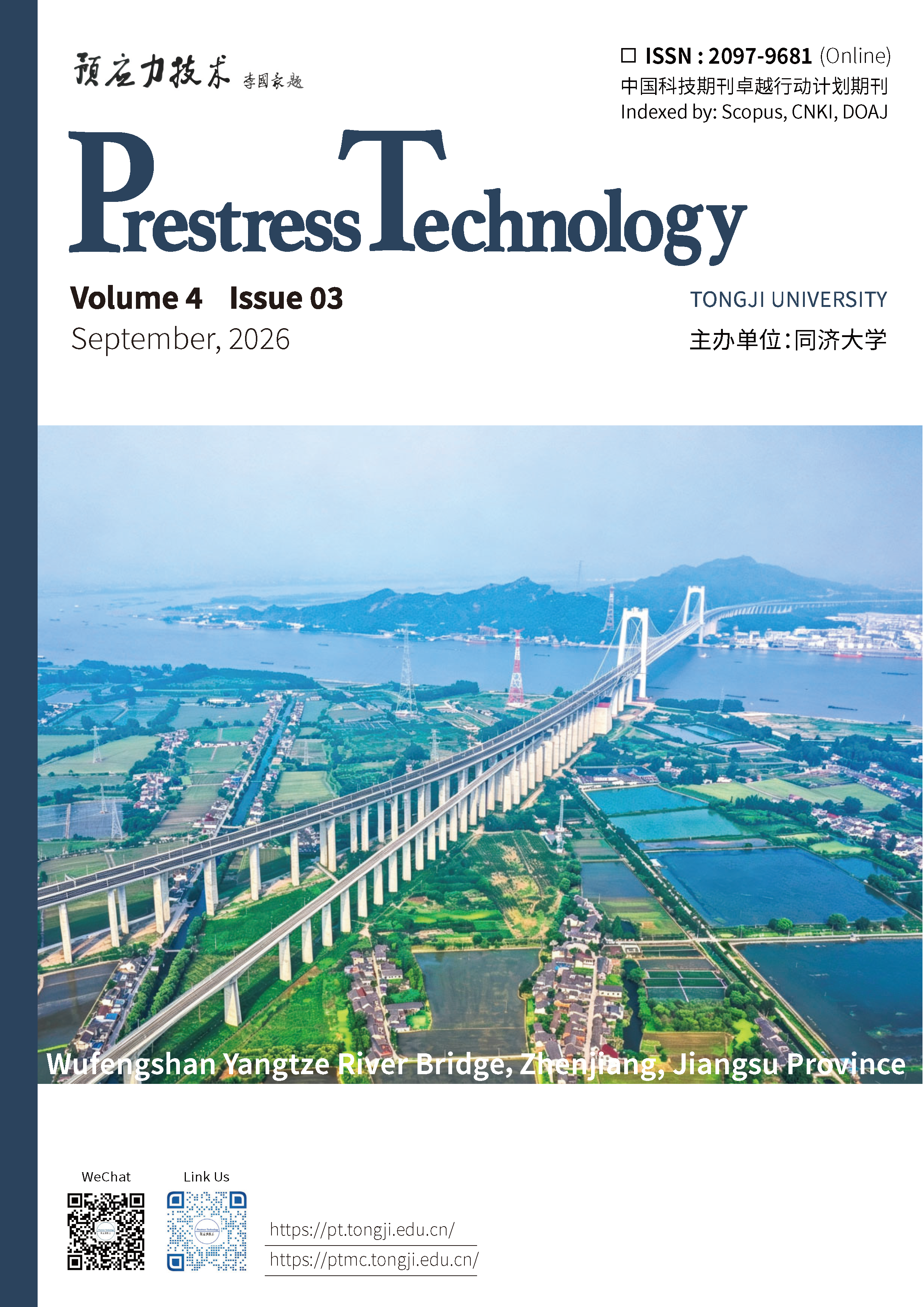
Volume 4,2026 Issue 03
>Scientific Research
>Design and Construction
 Special Issue
 Virtual Special Issue
Executive Editor in chief: 李方元; Albert de la Fuente